
New version of our data buoy passes its long-term test
A larger float, a 50-watt solar panel and plug-and-play sensors marked the next stage of Nemo-Pi development in January 2021.
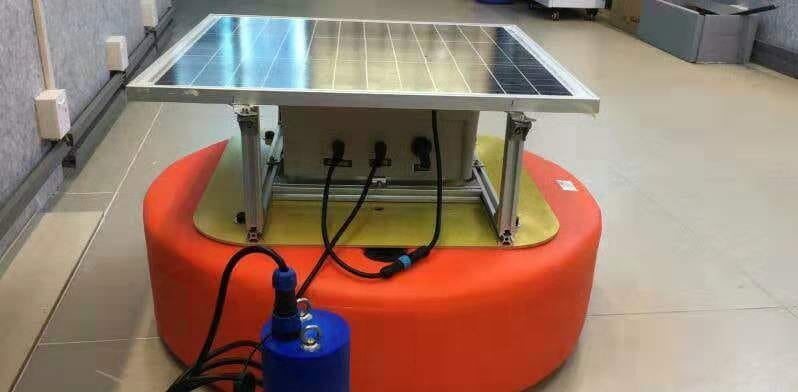
A new float with a 50-watt solar panel.
Long-term test passed
COVID was keeping the world on edge when we published this update in January 2021. Many of Save Nemo’s planned projects in Indonesia could not go ahead, and some even had to be cut short. Nevertheless, we continued working in teams spread across the world, fighting for every square metre of coral reef.
That work included the Nemo-Pi, which was already reliably sending data to our cloud from 30 locations. We had now reached another milestone: the final version of the float had successfully completed testing.
Data buoy being tested—shown in the feature image.
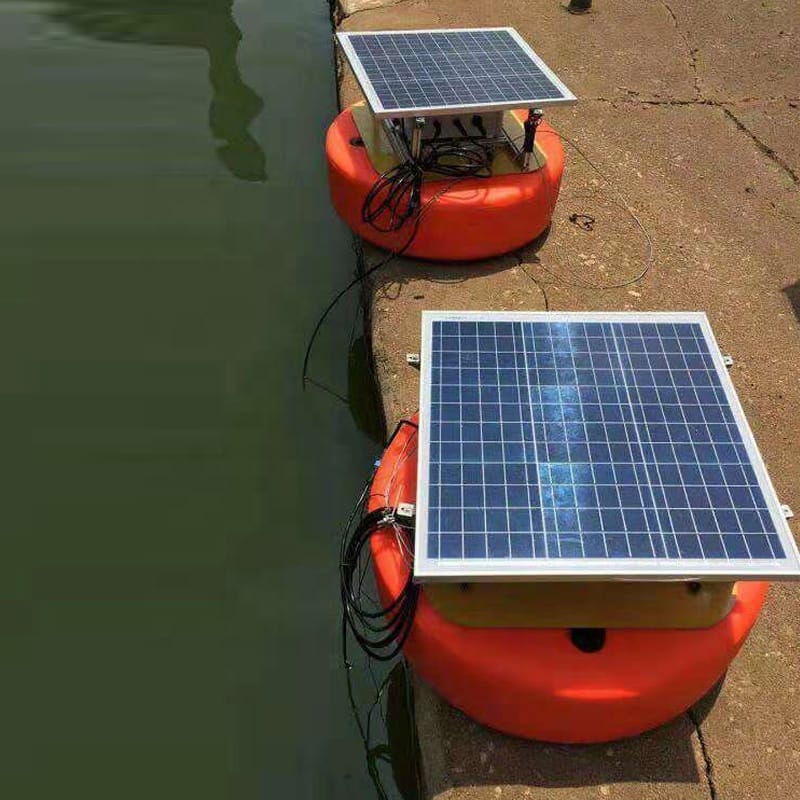
The new, larger float safely protected our hardware even in rough seas, while allowing reliable data transmission.
We also added a solar panel three times larger than the previous one, now rated at 50 watts. This enabled us to operate the Nemo-Pi around the clock, throughout the year, even in areas with less sunlight, at latitudes of approximately 45° north or south.
Another new feature was the ability to connect and add Nemo-Pi sensors through a simple plug-and-play system. Previously, each sensor needed its own dedicated connection. With bus technology, it was now enough simply to plug in the sensor: the Nemo-Pi and the cloud handled the rest. This made maintenance easier and allowed measurement modules to be added quickly and inexpensively.
Once our teams could travel safely again, we hoped to launch the Nemo-Pi officially during 2021.
Originally published in German on 29 January 2021. Read the archived original.