
COVID-19 Gave the World's Reefs Only a Breathing Space
The underlying problems remained: climate change, pollution and destructive fishing continued to threaten reef ecosystems.
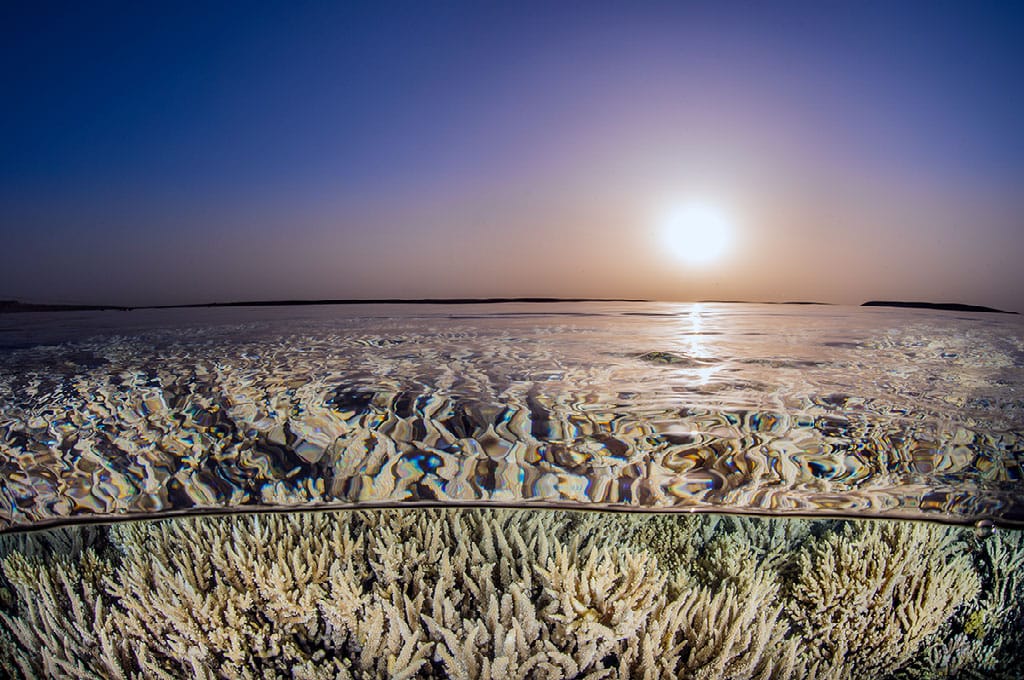
The underlying problems remained unchanged: climate change, pollution and destructive fishing continued to threaten these ecosystems.
A slow recovery underwater
The COVID-19 pandemic gave reefs around the world a breathing space, but nothing more. Divers in reef regions reported the return of schools of fish once millions of divers and snorkellers were no longer kicking their way through the water. Tourism, however, had collapsed, and fishing was declining. That was good for the seas, reefs and biodiversity, but bad for the economy and the livelihoods of fishers, traders, hoteliers and restaurant owners.
Take Bali. Before COVID-19, tourism accounted for 60 per cent of its gross national product, according to the figures cited in the original article. More than 80 per cent of the island's three million inhabitants worked—or, rather, had worked—directly or indirectly in tourism. Two years after the pandemic began, most small business owners had exhausted their reserves: souvenir sellers, drivers, diving instructors, tour guides and temple dancers alike. Many, if not all, were facing financial ruin. This was just one example among many.
To make matters worse, lockdowns and reduced tourist numbers had not changed the situation for reefs. According to a University of Bremen study cited in the article, the condition of the world's coral reefs remained devastating. Biologist Christian Wild of the University of Bremen, organiser of the virtual 14th International Coral Reef Symposium (ICRS) in 2021, said that 30 per cent of all coral reefs had already been lost and 40 per cent were seriously threatened. Climate change, pollution and destructive fishing continued to threaten their existence.
Climate change remained the main problem. The original article explains coral bleaching in these terms: stony corals depend on algae associated with their limestone skeletons. The algae take up carbon dioxide and produce oxygen through photosynthesis, and give corals their colour. When water temperatures rise, the algae change, producing more toxic substances. The corals expel them and lose their colour. The result is the white limestone skeletons seen in coral bleaching.
The article reports that biodiversity in coral reefs had almost halved since the 1950s, with serious consequences for the six million fishers who fish on reefs worldwide. In 2002, they caught 2.3 million tonnes of fish. Over the following two decades, fishing became harder, catches became less diverse, and greater effort was needed.
Ending overfishing requires education for fishers. At the same time, efforts must continue to tackle excessive nutrient inputs and soil erosion, which make coastal waters murky. Farmers and large landowners need incentives to change their land management, since they do not directly benefit from healthier reefs. Clear rules and agricultural subsidies could help.
Ultimately, isolated measures will fail. These challenges must be addressed together and as a whole. Climate change must be stopped, nature needs more protection than ever, and the economy must become more sustainable. People are the deciding factor. We must reconcile ecology and economics, preserve nature, and offer a future that meets people's legitimate needs.
Originally published in German on 30 January 2022. Read the archived original.